
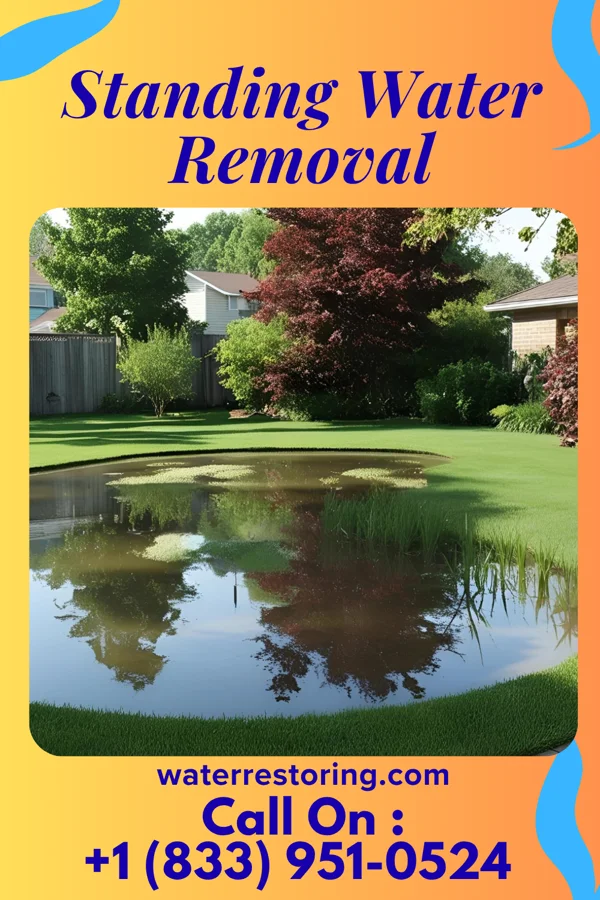
When King Lake Properties Need Standing Water Removal
Water damage in King Lake usually starts with In King Lake, Nebraska, the primary water damage cause is often due to agricultural runoff and irrigation systems that can lead to unexpected flooding, especially during spring thaw or heavy rainfall. Additionally, the rural setting means that water damage can occur from broken irrigation lines or livestock-related water spills in barns and farm structures.. A close second is Secondary causes include plumbing failures in older homes, septic system backups, and localized flooding from nearby waterways such as the Platte River. These issues are common in the rural Valley area and require prompt attention to prevent long-term structural damage.. Professional restoration follows the IICRC protocol on every job. Assess. Extract. Dry. Sanitize. Document.
King Lake experiences a continental climate with cold winters and hot summers, which can lead to frozen pipes in winter and increased humidity in summer. These conditions heighten the risk of water damage and mold growth, particularly in poorly ventilated farm buildings and homes.
Water damage in King Lake follows a few local patterns. In King Lake, Nebraska, the primary water damage cause is often due to agricultural runoff and irrigation systems that can lead to unexpected flooding, especially during spring thaw or heavy rainfall. Additionally, the rural setting means that water damage can occur from broken irrigation lines or livestock-related water spills in barns and farm structures. accounts for the bulk of our calls. King Lake experiences a continental climate with cold winters and hot summers, which can lead to frozen pipes in winter and increased humidity in summer. These conditions heighten the risk of water damage and mold growth, particularly in poorly ventilated farm buildings and homes. Mold can develop rapidly in King Lake due to the region's fluctuating temperatures and high humidity levels, especially in rural homes and farm structures with limited insulation. Immediate action is crucial to prevent health risks and structural damage.